
- Blogs
- Influencer marketing
- Contact Us
- About Us
- News & Media
- FAQs
OOH Advertising Revolution 2026: Holograms, AI, Programmatic DOOH, and Sustainability Trends
<p>In 2026, out-of-home (OOH) advertising, encompassing billboards and digital out-of-home (DOOH), is experiencing a transformative surge driven by holographic 3D displays, AI-powered programmatic buying, immersive interactivity, and sustainability initiatives, positioning OOH as a dynamic, data-driven global operating system for brands amid declining trust in digital media.[1][2][4]</p>
abhishek 🕑 01/15/26 0

Holographic 3D Displays and Immersive Storytelling
Holographic 3D displays and anamorphic billboards are revolutionizing OOH advertising in 2026 by creating immersive, shareable experiences that transcend traditional flat visuals, captivating passersby with optical illusions and motion for unprecedented brand recall.[1][2] These technologies enable brands to craft storytelling that extends beyond the screen, turning advertisements into viral moments amplified on social platforms like TikTok and Instagram, as exemplified by high-impact activations from McDonald’s, Maybelline, and Nike.[2] Programmatic DOOH platforms accelerate this by deploying dynamic 3D content in real-time across citywide digital networks, synchronized with audience data such as dwell time, demographics, weather, or events for hyper-relevant messaging.[1][2] As costs drop, mainstream adoption surges in premium locations like EV charging stations, airports, and sports venues, where high-intent consumers encounter these interactive portals during daily journeys, blending physical presence with digital amplification.[1][2][4] Sustainability enhancements, including energy-efficient LEDs and solar power, ensure these wow-factor displays align with eco-mandates, appealing to environmentally conscious brands while reducing operational footprints.[1][2] AI-driven adaptations make holograms responsive to real-world triggers, solidifying OOH's leadership in innovative display advertising and helping brands dominate visibility in a crowded 2026 media landscape.[1][5] This shift from passive viewing to active participation fosters lasting consumer connections, with sensor-based tech enabling gesture controls and proximity interactions in motion-responsive walls and digital corridors.[1] Revenue growth across digital and traditional formats underscores genuine demand, as OOH evolves into experiential media infrastructure.[4][7]
Programmatic DOOH and AI-Driven Targeting
Programmatic digital out-of-home (DOOH) buying is set to dominate OOH in 2026, scaling across billboards and networks to deliver data-driven, audience-targeted campaigns that adapt in real-time to factors like time of day, weather, flight schedules, passenger flows, sports scores, or live traffic.[1][2][7] The Outdoor Advertising Association of America reports digital OOH revenue rising at double-digit rates, expected to surpass 40% of total OOH spend, fueled by tighter audience segmentation, AI-powered placement tools, and time-of-day optimization.[2] Advertisers treating OOH as cohesive infrastructure leverage AI for energy management, carbon visibility, and verifiable ROI metrics, stabilizing fragmented digital strategies amid rising ad costs and declining trust.[1][2][4][6] This evolution positions outdoor advertising as a global operating system, integrating intention-based planning with automation to reach high-value audiences without privacy intrusions.[3][5] In the U.S., simultaneous rises in digital and traditional spend reflect structural demand, while European markets lead in environmental standards.[2][4] Brands gain new avenues at EV stations and urban hubs, where programmatic tools enable geotagged precision for nearby retailers, driving measurable lifts in awareness and action.[1][2] As OOH revenue climbs steadily, forward-looking strategies fuse programmatic with cultural relevance and purpose-driven narratives, ensuring accountability and amplification in real-world spaces.[3][4] This data sophistication unlocks fuller potential of DOOH innovations, making OOH an essential, future-ready channel in the advertising mix.[3]
Interactive and Mobile Convergence in OOH
Immersive and interactive OOH environments, from gesture-controlled digital corridors to motion-responsive walls, are becoming the 2026 gold standard, transforming passive billboards into active participation hubs that merge brand narratives with architecture.[1][2] Sensor-based tech enables real-time engagements via gestures, proximity, QR codes, NFC tap-to-engage, and geofenced retargeting, turning visibility into measurable action, especially in high-dwell spots like airports and venues.[1][2][3] Convergence between mobile and OOH sharpens, with dynamic, location-aware campaigns responding to real-world moments without creeping on privacy, maintaining broad reach and positive perception—55% of audiences find OOH relevant.[3] This non-intrusive context connects emotionally in public spaces, blending meaning, joy, humor, and cultural relevance to drive +6% higher action and 1.3x purchase intent.[3] In sports venues and EV infrastructure, interactive formats capitalize on receptive "me time," anchoring messaging across channels for proven impact.[1][2] Sustainability bolsters interactivity by reducing waste through digital updates and solar integration, cutting emissions from printing and transport.[1][2] As digital ads lose attention amid saturation and fragmentation, OOH gains ground with reliable, frictionless presence, prompting aggressive budget shifts.[4] Data-driven planning treats every asset—from large static billboards to place-based screens—as cohesive, powering growth for agencies and marketers.[6] Ultimately, this interactivity redefines OOH as thinner gap between physical and digital, fostering fans through authentic, shareable creative.[2][3]
Sustainability as a Core Criterion in OOH
Sustainability transitions from buzzword to core criterion in 2026 OOH, with eco-friendly tech like energy-efficient LED/OLED screens, solar-powered signage, recyclable structures, and hybrid formats leading amid global green mandates and regulatory pressures.[1][2] DOOH inherently slashes emissions by eliminating physical printing, transport, and vinyl installations, enabling instant digital updates for lower resource use, while AI tools provide carbon tracking transparency.[1][2][6] European markets pioneer environmental standards, with U.S. metros following via solar units and recycled materials, aligning with purpose-driven marketing that builds trust through authentic green storytelling at trailheads and communities.[2][3] EV charging stations emerge as sustainable OOH hubs, pairing low-energy screens with geotargeted ads for high-ROI in remote and urban settings.[1][2] This appeals to eco-aware consumers, enhancing brand loyalty without moralizing, as OOH communicates affordability and purpose grounded in everyday environments.[3] Revenue growth underscores demand for these low-impact innovations, integrating with programmatic for optimized campaigns.[1][4][7] As brands prioritize environmental proof alongside performance, sustainability becomes a competitive edge, balancing bold creativity with planetary accountability.[1] In a volatile digital landscape, green OOH offers stability, measurability, and viability, ensuring long-term resonance.[4][6]
OOH's Shift from Digital Fatigue to Real-World Dominance
OOH advertising surges in 2026 as brands shift budgets from saturated social feeds, fragmented TV, and untrustworthy digital metrics toward reliable out-of-home channels offering clarity, presence, and real-world impact.[4] Structural growth, with steady U.S. revenue climbs across formats, reflects genuine demand as OOH leverages data sophistication, bold creativity, and tech for measurable results amid AI disruption and audience fragmentation.[3][4][7] Purpose-driven narratives focus on joy, humor, cultural relevance, and non-intrusive context, turning viewers into fans while navigating LHF regulations.[3] Innovations like holograms, programmatic, interactivity, and sustainability make OOH dynamic and adaptable, rediscovering value in frictionless reach without nostalgia—purely because it works.[1][2][4] As a global operating system, OOH converges audience movement, automation, and intention planning, powering agencies with data-driven playbooks for every asset.[5][6] UK’s Outsmart and ad tech predictions affirm all-out OOH momentum, with DOOH strategies transforming campaigns for 2026 and beyond.[7][8] In fractured, privacy-conscious environments, billboards provide unskippable authenticity, prompting questions not of inclusion, but aggressive allocation.[4] This corrective phase positions OOH as essential, blending emotional public resonance with proven lifts in awareness, action, and loyalty.[3][4]
Popular Posts
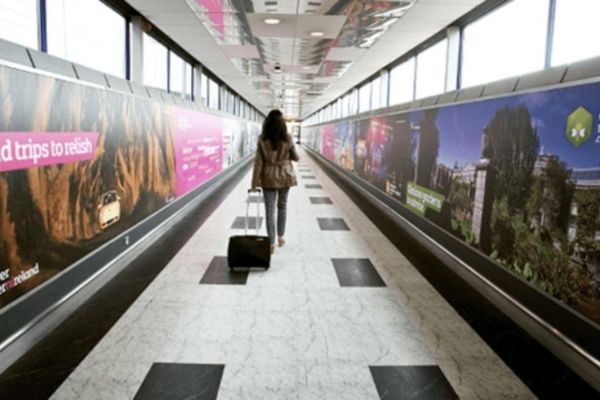
Captive Audience, Global Reach: Why Airport Advertising Still Matters
Gohoardings 🕑 03/28/24 120

Choosing the Perfect Spot: A Guide to Billboard Advertising
Gohoardings 🕑 07/30/24 76
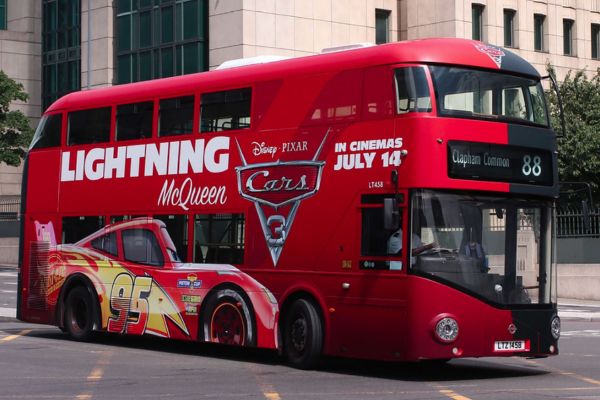
Riding into the Future: How Transit Advertising is Evolving
Gohoardings 🕑 03/28/24 65

Dynamic Digital Billboards Take Over Major Cities: A Game-Changer in Advertising
Gohoardings 🕑 07/10/25 27

"Revolutionizing the Skyline: The Latest Trends in Billboard Advertising"
Gohoardings 🕑 05/30/25 18
India's Largest Outdoor Advertising Company
Our advertising network spread across 130 cities with more than 1.2 lakh OOH advertising and DOOH advertising sites offering hassel-free branding experience. As the nation's largest advertising agency, we craft impactful campaigns that resonate, inspire, and drive success for brands nationwide.
Quick Links
- Login As Media Owner
- Odoads
- Blog
About Us
Team
Contact
-
Privacy Policy
-
Refund Policy
Popular Services
Trending Cities
Reach us
- +91 7777871717
- [email protected]
-
E-82, Sector 06
Noida, 201301 (U.P.)


copyrights © 2026 Gohoardings Solutions LLP

GoHoardings AI Assistant
Find outdoor advertising media instantly
Hello! I'm your GoHoardings assistant. I can help you find outdoor advertising media across India. Try asking me: • "Show me hoardings in Delhi under 200000" • "I want LED screens in Pune" • "Find lit billboards in Mumbai between 100000 and 300000"
Try these examples: